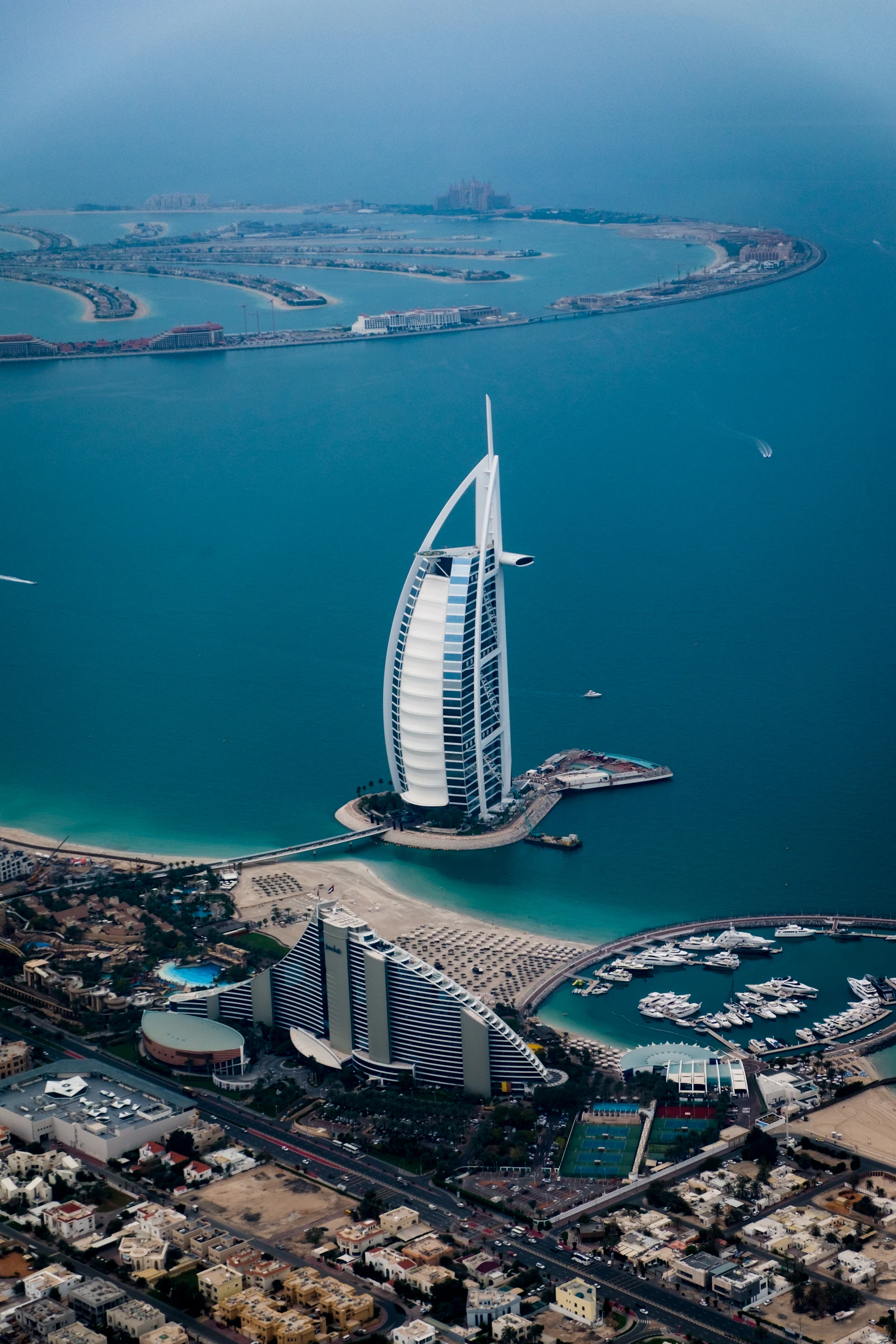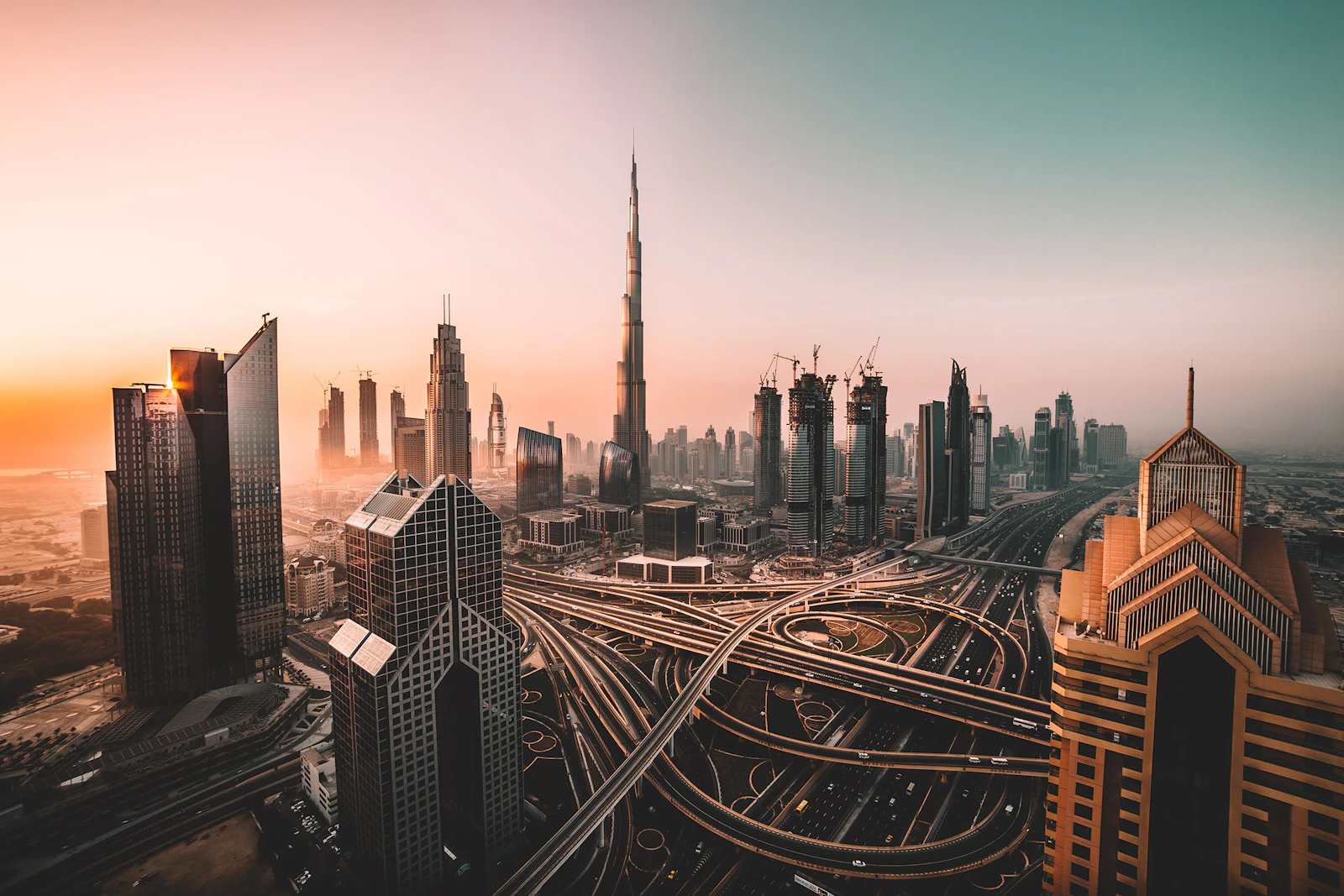
Dubai has quietly become the most profitable Airbnb market in the world. With tourism numbers hitting record highs in 2026, an average daily rate (ADR) of AED 600 — 1,200 in Dubai Marina, Downtown and Palm Jumeirah, and occupancy frequently above 80%, Dubai short-term rentals comfortably out-yield traditional long-term leases by 2–4x.
But the 'Airbnb in Dubai is a goldmine' narrative misses the operational reality. Most Dubai hosts running 5+ apartments hit a ceiling around the 10-property mark because guest communication, cleaning coordination, key handover, AC complaints, and check-in queries multiply faster than they can hire.
Here is the real cost stack for a 2-bed Marina apartment in 2026: DTCM holiday-home permit (~AED 1,500/year per unit), Ejari + utilities (AED 1,800/month), cleaning (~AED 220/turnover), platform fees (3-15%), and the silent killer — guest WhatsApp messages at 2 AM about pool hours and parking.
The hosts who scale past 10 units in Dubai do one thing differently: they replace manual guest comms with a per-apartment QR code that opens an AI concierge speaking the building's exact rules, the kitchen Wi-Fi, the nearest metro, the gym hours, and a button to report any issue. The owner sees one branch-aware dashboard, the guest sees zero friction.
If you are an Airbnb host in Dubai considering scale, the math gets interesting at 6+ apartments. A short-stay operations platform like HostHelp costs less per property than a single extra cleaner shift per week — and lets one operator manage 30 apartments cleanly without burning out.
Profit-wise, Dubai hosts who use proper guest-ops software report 25-40% fewer support hours per booking and noticeably higher review scores — directly boosting placement on Airbnb and Booking.com. In a city where the top 5% of listings get 60% of the bookings, that ranking lift is everything.